Sentinel-1 and the Copernicus programme
“Europe's first Copernicus satellite, launched on 3 April 2014: a radar that sees through cloud and night, whose images anyone can download free.”
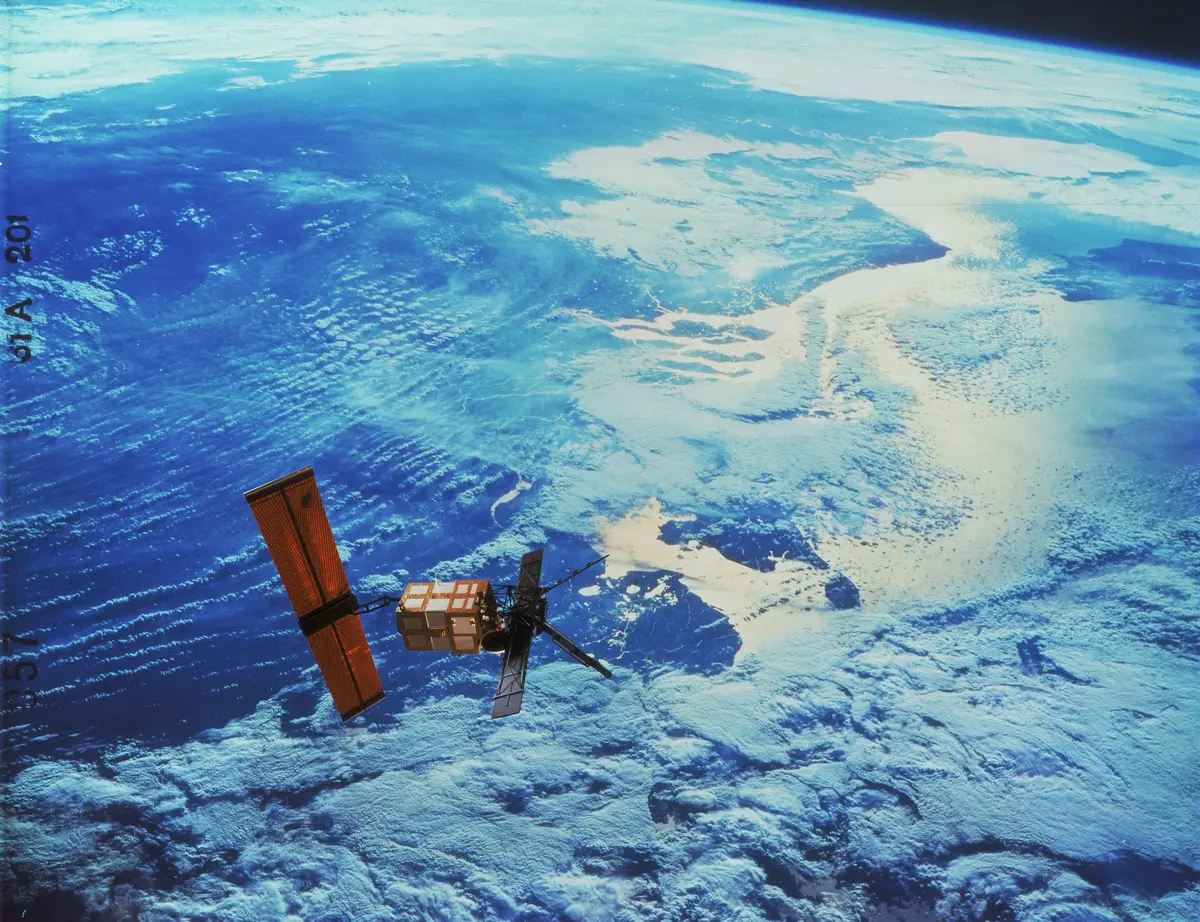
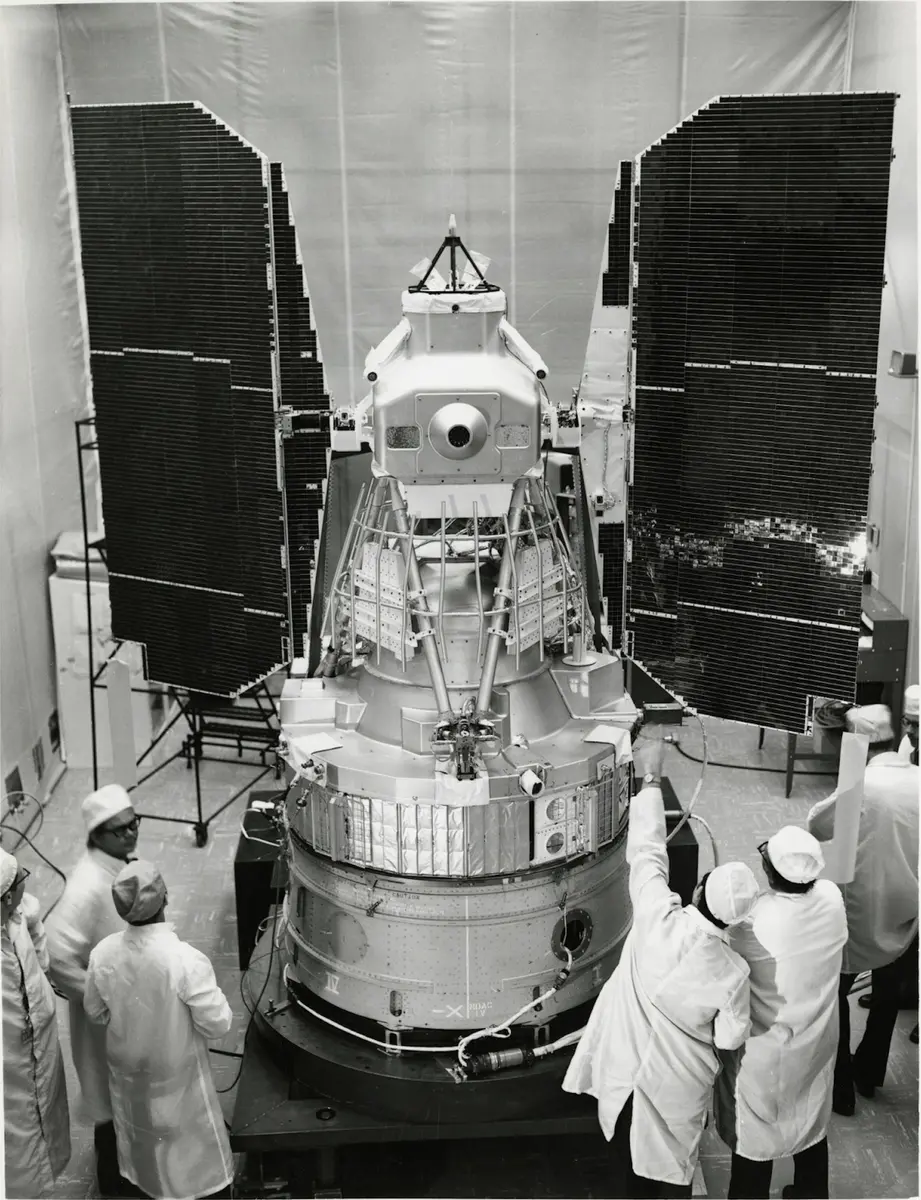
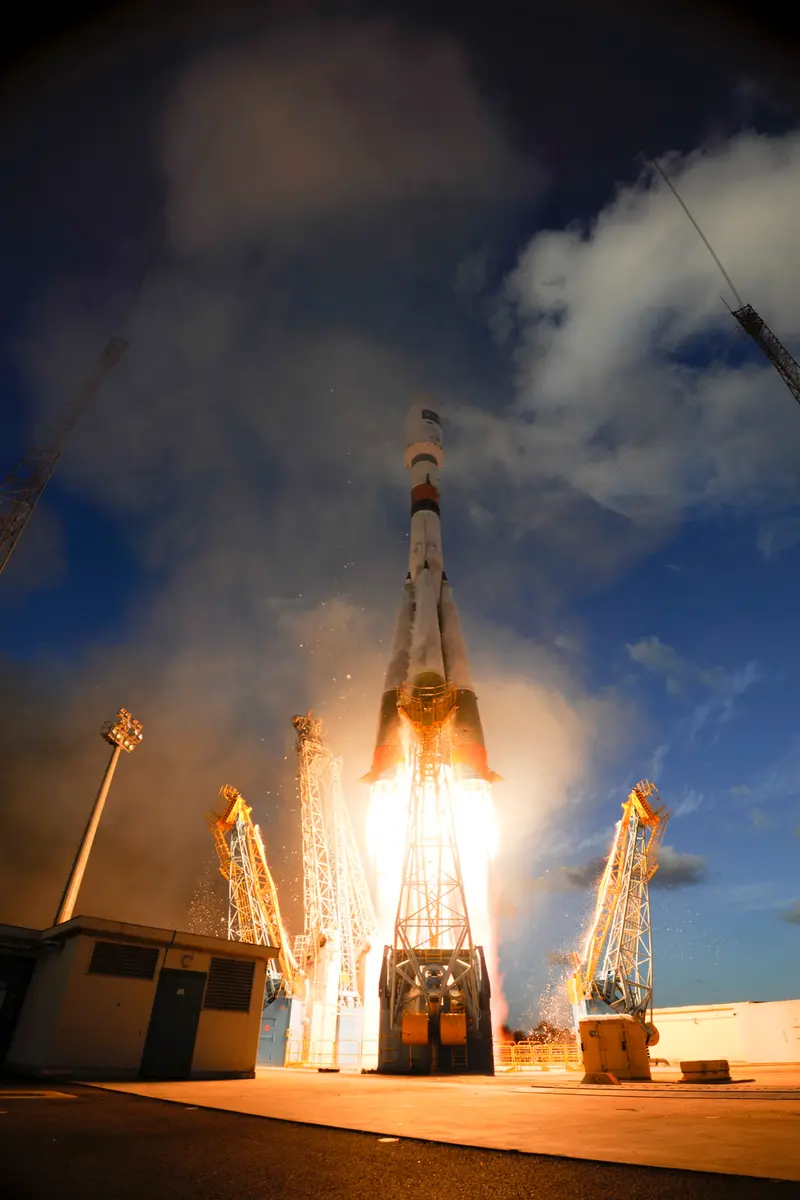
Sentinel-1A was launched on 3 April 2014 on a Soyuz rocket from Europe's spaceport at Kourou, in French Guiana. It was the first satellite built for Copernicus, the Earth-watching programme of the European Union. It carries a radar, not a camera. The radar sends out radio waves and listens for the echo, so it can see the ground through cloud and rain, by day and by night.
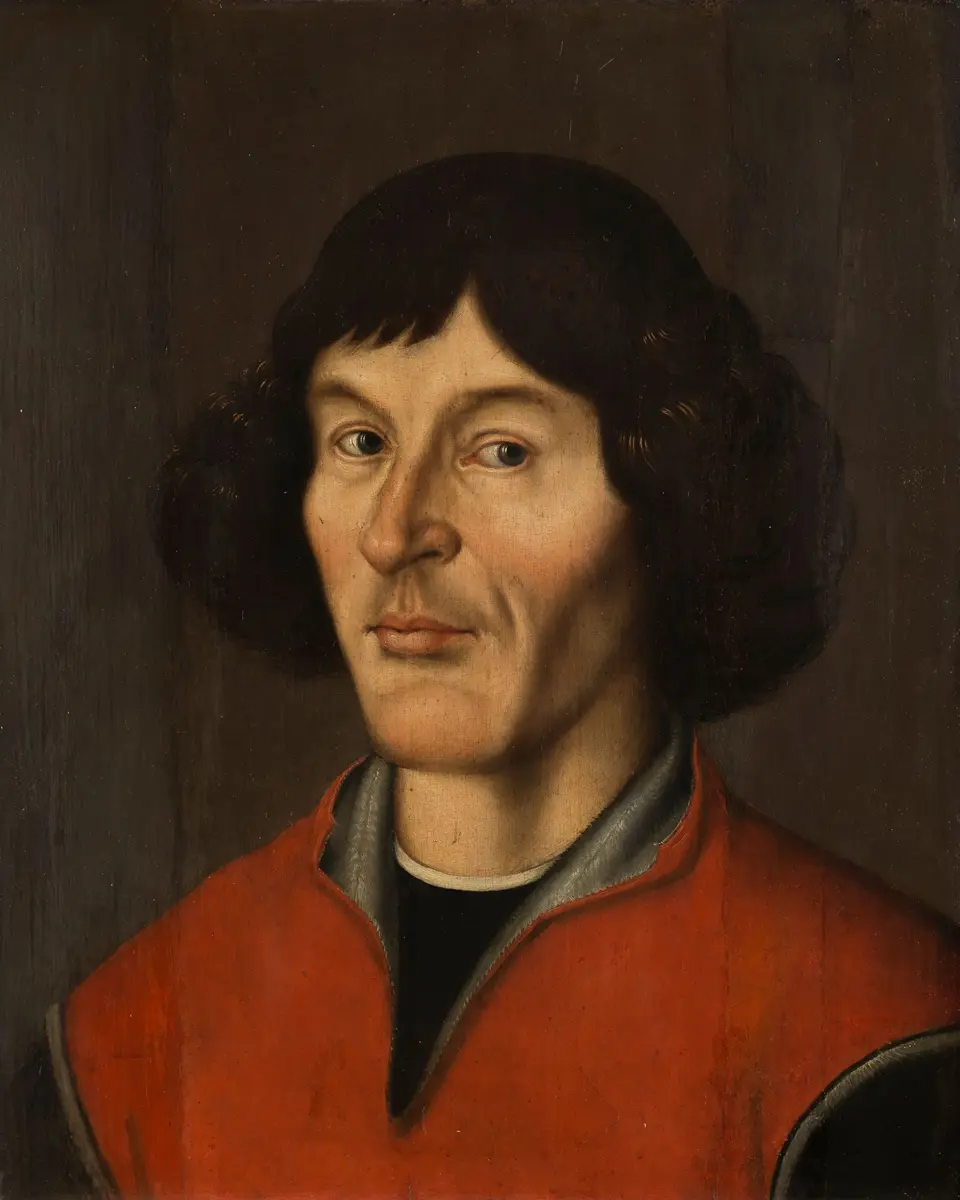
Copernicus was an old plan with a new name. In 1998 Europe's space agencies and the European Commission signed a paper in Baveno, Italy, asking for a shared system to watch the environment. It was called GMES until December 2012, when the Commission renamed it after the astronomer Nicolaus Copernicus. The EU law that set the programme up is dated 3 April 2014, the same day as the launch. The EU leads Copernicus; the European Space Agency builds the Sentinel satellites, launches them and, for Sentinel-1, flies them.
The rule about the data mattered as much as the satellite. EU rules of July 2013 said that Sentinel data should be free, full and open. Radar images from Europe's earlier satellites, ERS and Envisat, had been neither steady nor easy to get. From October 2014 anyone could register and download Sentinel-1 images for nothing, for science, for business or for fun. By 2023 the first download hub had delivered more than 67 million products to about 750,000 users.
A twin, Sentinel-1B, followed in April 2016, and the pair could image the whole planet about every six days. In December 2021 Sentinel-1B lost the power supply of its radar, and its mission was declared over in August 2022. Sentinel-1A flew on alone. Sentinel-1C (December 2024, on a Vega-C rocket) and Sentinel-1D (November 2025, on an Ariane 6) rebuilt the pair. Sentinel-1A, designed to last seven years, worked for twelve and ended its mission on 29 June 2026.
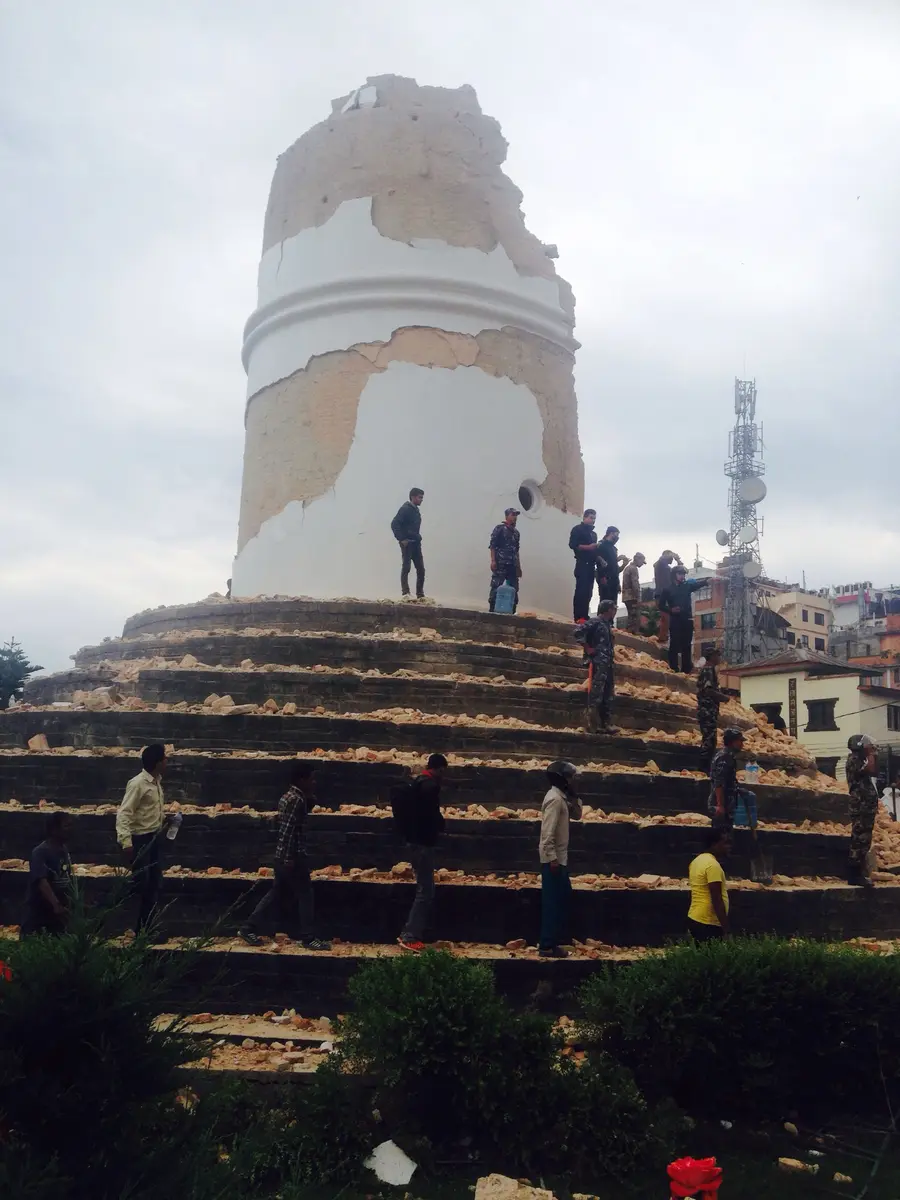
Free, frequent radar changed what people could do: map floods, follow sea ice and icebergs, spot oil slicks, and measure ground that moves by millimetres, as after the Nepal earthquake of 2015. In August 2026 Sentinel-1 radar followed a 76 square kilometre piece of Greenland's Petermann Glacier as it broke away. As of 15 November 2026 the working pair is Sentinel-1C and Sentinel-1D, on opposite sides of the Earth. Sentinel-1A is retired, with its disposal planned by ESA for the summer of 2026, and ESA has ordered two Next Generation Sentinel-1 satellites.
What happened
- 2012
Commission Vice-President Antonio Tajani announces at the Competitiveness Council that the EU's Earth observation programme, until then called GMES, will be named Copernicus, in homage to the astronomer Nicolaus Copernicus.
- 2013
The Commission adopts the rules for the programme's data. They say Sentinel data should be free, full and open and free of charge for users, with limits only for reasons such as privacy, intellectual property or security.
- 2014
At Kourou, Sentinel-1A is closed inside the two halves of its Soyuz rocket fairing, two days before liftoff.
Europe's Spaceport, Kourou: the Soyuz launch complexThe same day, Regulation (EU) No 377/2014 of the European Parliament and of the Council is dated: it sets up the Copernicus Programme in law and replaces the earlier GMES rules.
- 9:02 p.m.
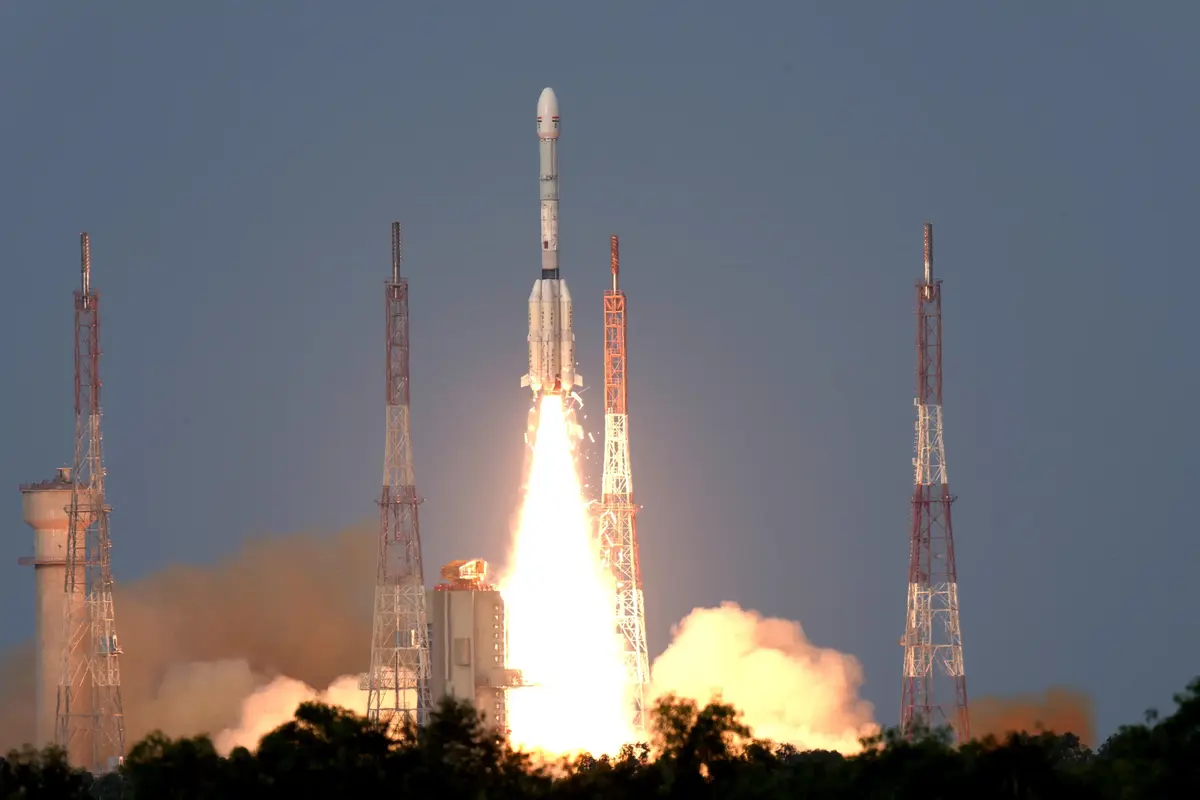
At 21:02 UTC (23:02 in Europe) a Soyuz rocket, flight VS07, lifts off from Kourou with Sentinel-1A, the first satellite built for Copernicus. It is put into a sun-synchronous orbit about 693 km high.
Europe's Spaceport, Kourou: the Soyuz launch complex Nine days after launch, Sentinel-1A makes its first radar image: Brussels, the seat of the European Commission, with Antwerp at the top left. The satellite is not yet calibrated. ESA publishes the picture on 16 April.
Brussels: the European Commission's Berlaymont buildingStill being calibrated, Sentinel-1A images China's Poyang Lake in dual polarisation. ESA sets the result beside an Envisat image of 2008 to show the gain in quality.
Sentinel-1A data are opened to all users online, after a free registration. From now on anyone can download Sentinel-1 images for nothing.
- 2015
Four days after the earthquake of 25 April, ESA publishes a map of the ground movement around Kathmandu, made from Sentinel-1A scans of 17 and 29 April. The many colour fringes mean ground movement of a metre or more.
Kathmandu: ground movement of the 25 April 2015 earthquake- 2016
- 9:02 p.m.
At 21:02 UTC a Soyuz rocket, flight VS14, lifts off from Kourou with Sentinel-1B, the twin of Sentinel-1A. The pair, orbiting 180 degrees apart, can image the planet with a repeat of about six days.
Europe's Spaceport, Kourou: the Soyuz launch complex - 5:37 a.m.
Two hours after its radar is switched on, Sentinel-1B records its first data strip, 600 km long, from 80 degrees north through the Barents Sea, with Svalbard on the left.
Svalbard: the subject of Sentinel-1B's and Sentinel-1C's first images - 5:07 p.m.
A particle a few millimetres across hits one of Sentinel-1A's solar panels at 17:07 UT and leaves a mark about 40 cm wide. A camera built to watch the panels unfold after launch is switched on again to see it. The satellite keeps working. ESA announces it on 31 August.
- 2021
Sentinel-1B suffers a fault in the power supply to its radar electronics and can no longer deliver radar data.
- 2022
After months of attempts, ESA and the Commission declare the end of the Sentinel-1B mission: the radar's power line cannot be recovered. Sentinel-1A carries on alone, and Sentinel-1C is brought forward.
- 2024
Sentinel-1B's disposal is completed with electrical passivation. Its orbit has been lowered so that it will re-enter within 25 years.
- 9:20 p.m.
At 21:20 UTC Sentinel-1C lifts off from Kourou on a Vega-C rocket, flight VV25, the launcher's return to flight. The satellite separates 1 hour and 43 minutes later.
Kourou: the Vega launch complex Sentinel-1C takes its first radar image, of Svalbard, 56 hours and 23 minutes after liftoff. ESA shows it on 10 December together with Brussels and the Netherlands.
Svalbard: the subject of Sentinel-1B's and Sentinel-1C's first images- 2025
After commissioning that began in mid-January, Sentinel-1C is fully operational and re-forms a two-satellite pair with Sentinel-1A.
- 9:02 p.m.
At 21:02 UTC (22:02 CET) an Ariane 6 rocket, flight VA265, lifts off from Kourou with Sentinel-1D, the last of the first-generation Sentinel-1 satellites.
Kourou: the Ariane 6 launch complex (ELA-4) Sentinel-1D records one of its first images, of the Antarctic Peninsula, during the night of 6 November, and the data reach the ground at Matera, Italy, within 50 hours of launch.
- 2026
ESA announces that Sentinel-1D has finished its commissioning and is fully operational. All four Sentinel-1 satellites have now been launched.
ESA signs the contract for two Sentinel-1 Next Generation satellites at the ILA Berlin Airshow. Thales Alenia Space is the prime contractor; Airbus Defence and Space builds the radars. It is the first tranche of the overall mission.
ESA's operations centre in Darmstadt confirms the end of Sentinel-1A's operational mission, after twelve years instead of the seven planned. In the weeks before, controllers moved Sentinel-1A, 1C and 1D into a three-satellite arrangement for a smooth hand-over; 1C and 1D now work 180 degrees apart.
ESA's European Space Operations Centre, Darmstadt- 7:42 p.m.
Sentinel-1A makes one of its last Stripmap images, over Melbourne, Australia, at 19:42 UTC; the Commission calls it the last Sentinel-1 Stripmap acquisition.
Melbourne: Sentinel-1A's last Stripmap image A 76 square kilometre piece of the floating tongue of Petermann Glacier in Greenland breaks away, the largest loss of floating ice there since 2012. Sentinel-1 radar images from 3 August and earlier interferograms had shown the cracks.
Petermann Glacier, northwest GreenlandAs of mid-November 2026 Sentinel-1C and Sentinel-1D are the working pair; the Copernicus Data Space Ecosystem publishes version 4.0 of the Sentinel operations plan on 12 November, and a delay in data timeliness on 1-2 November was back to normal on 2 November. Sentinel-1A is retired.