George Everest
“The British surveyor (1790-1866) who finished India's Great Arc of triangles and gave the world's highest mountain his name without ever seeing it.”
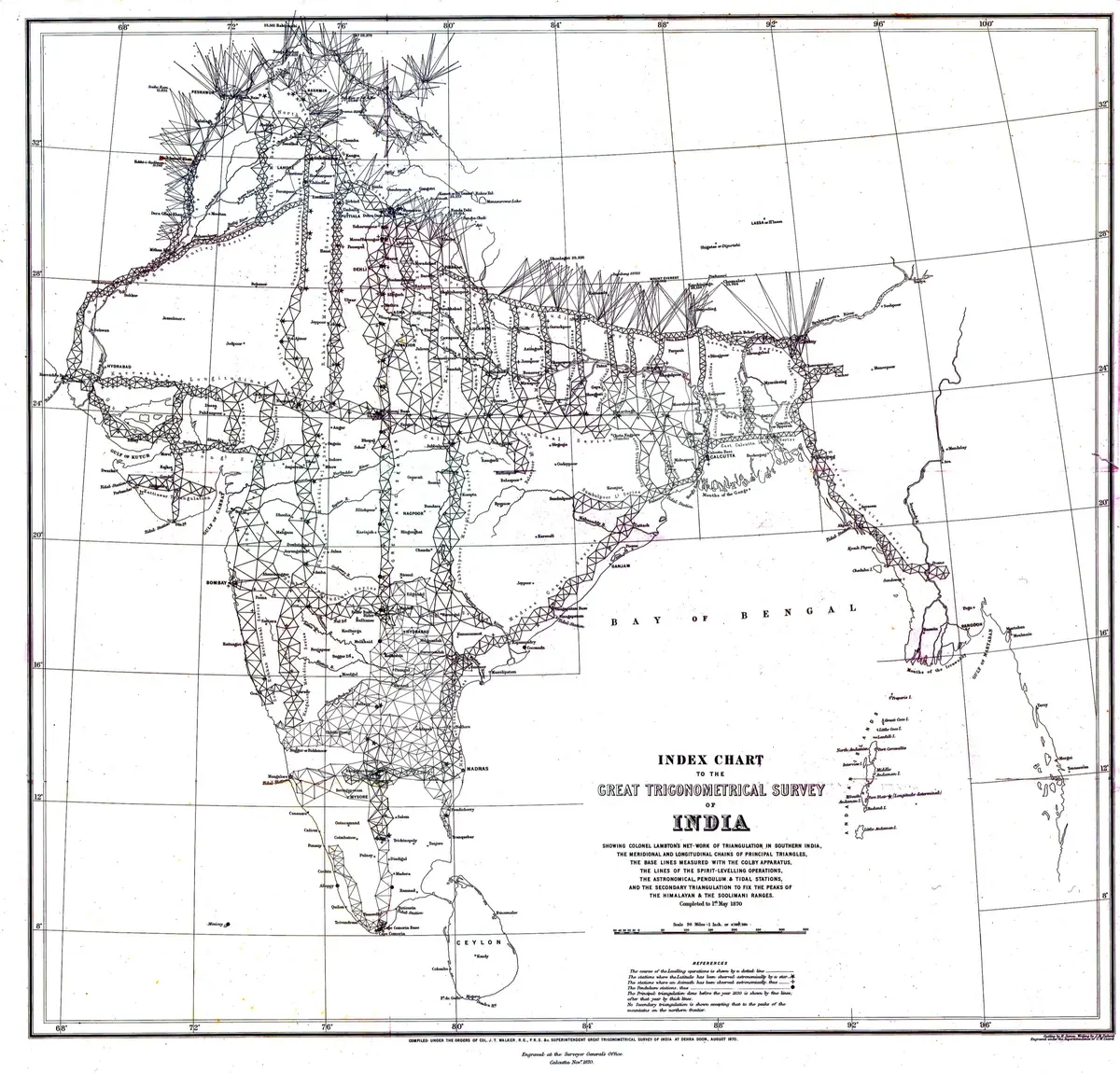
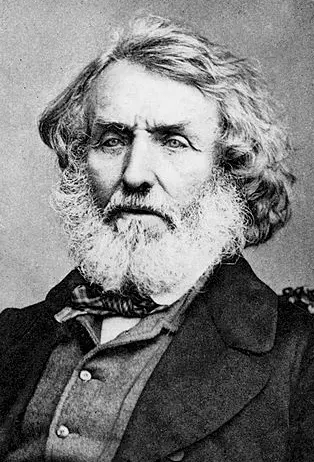
Sir George Everest (1790-1866) was a British army engineer who ran the Great Trigonometrical Survey of India and served as Surveyor General of India from 1830 to 1843. He is remembered for two things: finishing the Great Arc, a chain of triangles carried from the southern tip of India to the foot of the Himalaya, and giving his name to a mountain he never saw. His work was careful, slow and exact, and he was famously hard to work for.
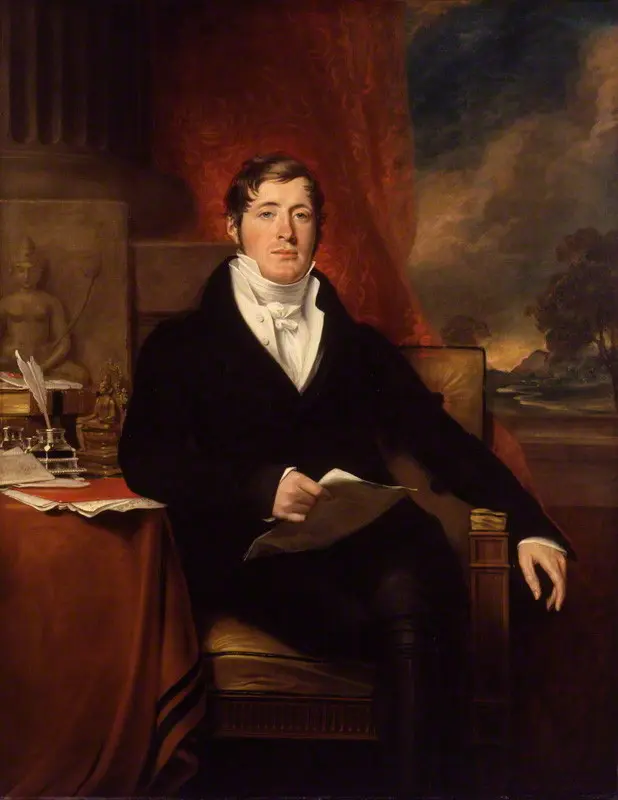
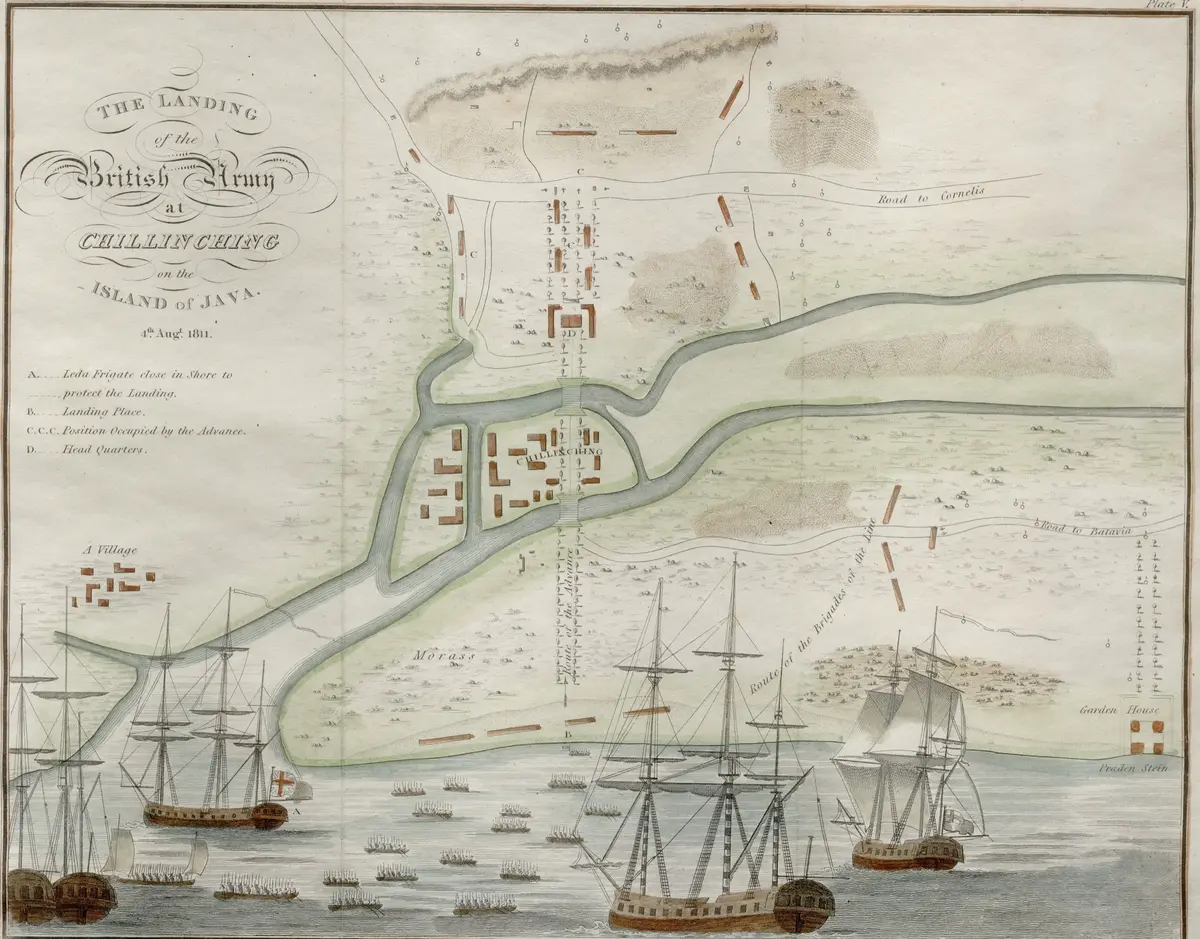
He was born on 4 July 1790, the eldest son of a solicitor with a Welsh estate. Sources disagree on where: the Dictionary of National Biography and Britannica say Gwernvale near Crickhowell, while the Oxford DNB says Greenwich. He studied at the military schools at Great Marlow and Woolwich, joined the East India Company as a cadet in 1806, and sailed that year for India as a second lieutenant in the Bengal Artillery. About seven years later he was sent to Java, then held by Britain, and Stamford Raffles chose him to survey the island, a job that took about two years. He then improved the river outlets of the Ganges and set up a line of signal posts from Calcutta to Benares.
In December 1818 he joined William Lambton at Hyderabad. After a bout of malaria and a rest at the Cape of Good Hope, he took over the survey when Lambton died on 20 January 1823. Worn out, he went to England in 1825, became a Fellow of the Royal Society in 1827, and spent five years studying the new English instruments. He came back in 1830 as Surveyor General as well as head of the survey, with a great theodolite by Troughton and Simms, measuring bars that cancel the effects of heat, and a plan to run the arc north in straight lines. He measured the Calcutta base in 1831-32 and the Dehra Dun base in 1834-36, built brick towers across the flat plains, and lived at Park House above Mussoorie. In 1839 he answered his critics at the Royal Society with a book of open letters to its president, the Duke of Sussex. The field work of his two sections of the Great Arc ended in December 1841, and he left India in December 1843. The arc and its Himalayan stations are told in the entry on the survey itself.
He married Emma Wing in 1846, published his Account of the arc in 1847, was made a Companion of the Bath and knighted in 1861, and died in London on 1 December 1866. Waugh, his successor, had already named Peak XV after him in a letter of 1 March 1856. Everest is said to have objected, because the name was hard to write or say in Hindi, but the Royal Geographical Society kept it. His own name was said 'EEV-rist', unlike the mountain's usual pronunciation today. The work was also done by thousands of Indian surveyors, porters and mathematicians, many of whom died on it; the survey entry says more about them.
What happened
- 1790
George Everest is born, the eldest son of a solicitor. The Dictionary of National Biography and Britannica say at Gwernvale, the family's estate near Crickhowell in Wales; the Oxford DNB says Greenwich.
Crickhowell (Gwernvale), Brecknockshire: the birthplace given by the Dictionary of National Biography and Britannica; the Oxford DNB says Greenwich- 1806
A cadet of sixteen, after schooling at Great Marlow and Woolwich, he joins the East India Company and sails for India as a second lieutenant in the Bengal Artillery.
- 1814
Sent with a detachment to Java, which Britain holds from 1811, he is picked by the lieutenant-governor, Stamford Raffles, to survey the island. He spends about two years on it, and returns to Bengal in 1816.
Batavia (Jakarta), Java: where he was sent in 1814 to survey the island for Raffles - 1817
Back in Bengal, he improves the outlets of the Ganges and is made chief assistant on the Great Trigonometrical Survey, but stays some months to finish a line of telegraph posts, towers for signals, from Calcutta to Benares.
- 1818
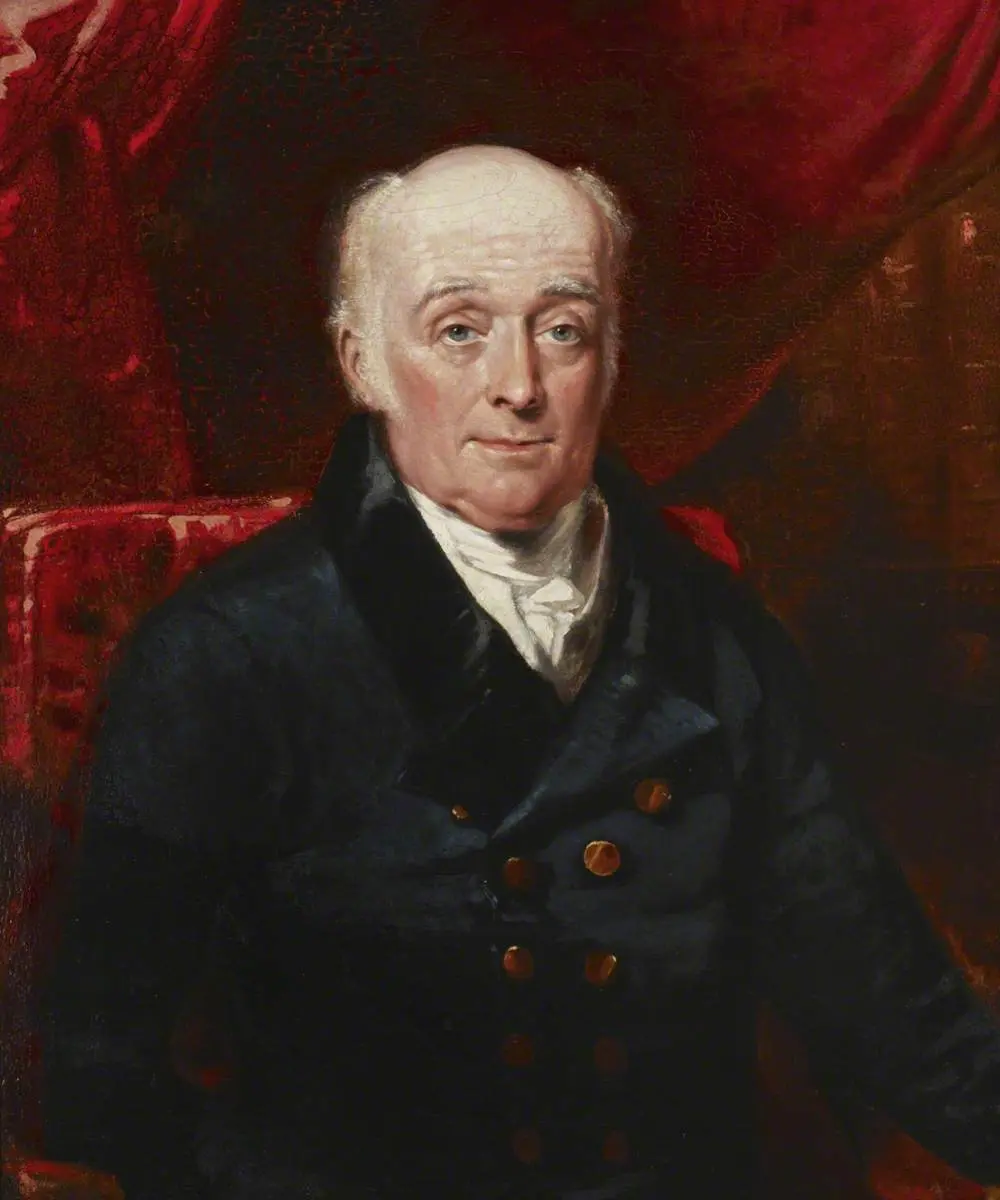
He joins William Lambton at Hyderabad. A few days later Lambton takes the field for the first time in six years to teach him, and Everest later writes of the old man shaking off his infirmities to set up the great theodolite.
Hyderabad: where he joined William Lambton in December 1818- 1820
Working through an unhealthy part of the Nizam's country, his health fails with malaria and he is ordered to the Cape of Good Hope to recover.
- 1823
Lambton dies on the road to Nagpur. Everest becomes superintendent of the survey and takes the Great Arc north from the valley of Berar.
- 1824
He measures a base line in the Sironj valley, which becomes the most important base of the work to the north.
- 1825
Worn out by fever and rheumatism, he leaves Calcutta for England on sick leave. He is away until 1830, studies the instruments and methods of the English Ordnance Survey, and orders new ones to his own design.
- 1827
He is elected a Fellow of the Royal Society.
- 1830
He sails back to India, now both Surveyor General of India and head of the Great Trigonometrical Survey. He takes up the office in Calcutta in October.
- 1831
He begins to measure the Calcutta base line along the road to Barrackpore, between two tall towers. It is finished on 21 January 1832.
- 1833
He settles at Park House on the Park Estate above Mussoorie, which he bought from General Whish. The government soon forbids its servants to live in hill stations, so he moves his correspondence office to Dehra Dun and keeps Park House for the hot weather and monsoon.
Mussoorie: Park House, his home and laboratory in the hills above Dehra Dun, about 1833 to 1843- 1834
On the summit of Chur mountain, about 12,500 feet up, his party raises a survey mast as an observation point. Godfrey Vigne, the traveller, draws Everest and an assistant at the work.
- 1836
He finishes measuring the Dehra Dun base, 7.42 miles long, the northern base of the Great Arc, with compensation bars; the two measurements differ by only 2.4 inches.
- 1839
Thomas Jervis, an officer of the Company's engineers, attacks his methods in lectures to the Royal Society. Everest answers with a series of printed letters to the Society's president, the Duke of Sussex, 'remonstrating against the conduct of that learned body'. Jervis withdraws and Everest gets his own man, Waugh, as successor.
- 1841
The field work of his two sections of the Great Arc ends when Andrew Waugh remeasures the base at Bidar. Together with Lambton's part, the arc now runs more than twenty-one degrees of latitude, from Cape Comorin to the northern border of British India.
- 1843
He retires and leaves India for England, handing the survey to Waugh.
- 1846
In London he marries Emma Wing, aged 23, the eldest daughter of a Gray's Inn attorney. They have six children.
- 1847
He publishes 'An Account of the Measurement of Two Sections of the Meridional Arc of India' in two quarto volumes. The Royal Astronomical Society honours it with its medal.
- 1856
From Dehra, Andrew Waugh writes that Peak XV is probably the highest mountain in the world and, finding no local name, proposes to call it Mount Everest, after his predecessor. Everest, in England, has no hand in it.
- 1861
He is knighted at St James's Palace, a fortnight after being made a Companion of the Order of the Bath.
- 1866
He dies at his home in Hyde Park Gardens, London, aged 76. He is buried in the churchyard of St Andrew's Church, Hove.
Hove: St Andrew's Church, where he is buried (he died in London, at Hyde Park Gardens)