Muhammad al-Idrisi
“The Arab geographer (c. 1100-1165) who, at the Norman court in Palermo, finished the Book of Roger in 1154: the best map of the world of its day, drawn with south at the top.”
Muhammad al-Idrisi was an Arab geographer and mapmaker who spent the best years of his working life at the court of a Christian king. Born around 1100 in Ceuta, on the strait between Africa and Spain, he made for Roger II of Sicily a silver world map and a book of about seventy maps with a long description of the lands they show, finished in January 1154. The book is called the Book of Roger, or the Tabula Rogeriana, and it drew the world with south at the top, as Arab mapmakers often did. The map and its making have their own entry, linked below; this one is about the man.
He came from a family of princes. His ancestors, the Hammudids, were descended from the Prophet through the Idrisid line, and had ruled Málaga until 1057 and Ceuta and Tangier until 1084. By tradition he studied at Córdoba, then the great centre of learning in Muslim Spain, and his own warm description of the city is the best evidence for it. He travelled while he was young: a later writer tells us that in 1117 he went to see the Cave of the Seven Sleepers at Ephesus, and his text shows he knew Lisbon, the mines of Andalusia, Morocco and Constantine in Algeria, and probably much of Asia Minor. Some readers think he also saw the coasts of France and England, but that rests on doubtful readings.
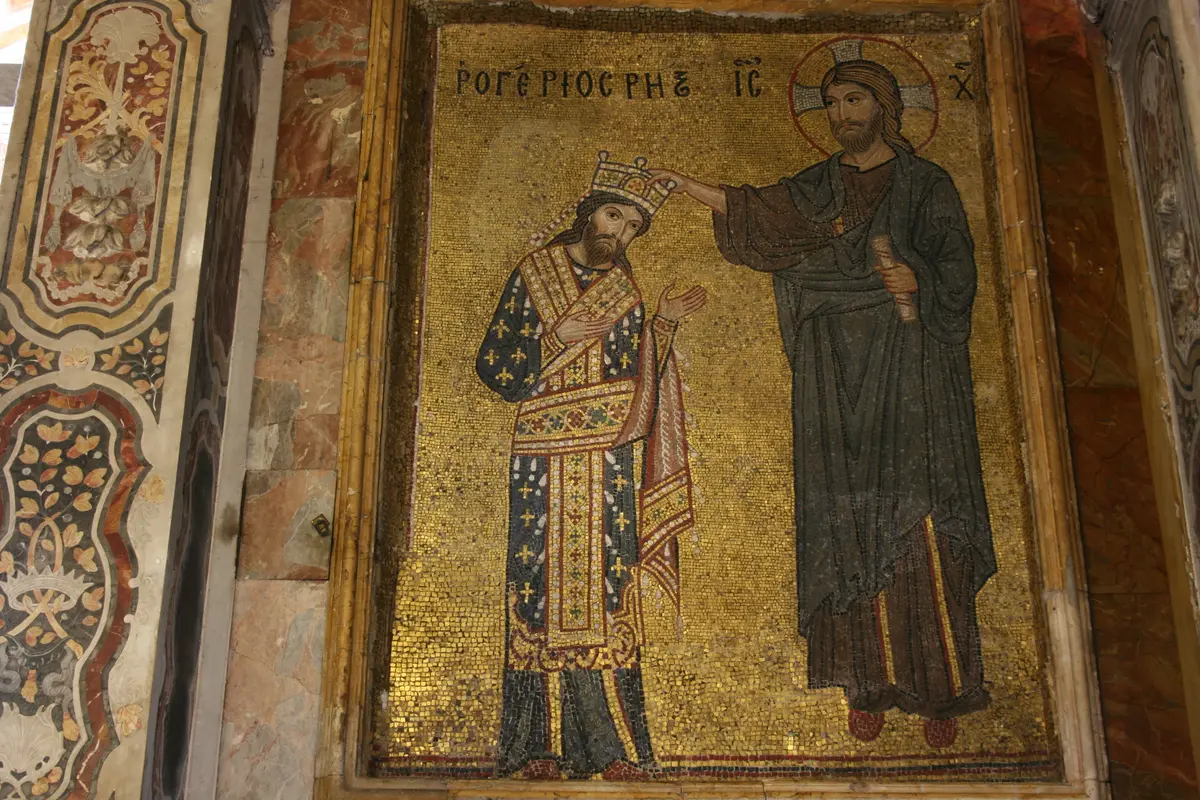
At some point he left the Muslim lands for Palermo. Sources disagree on when: around 1138 in one account, not later than 1144 in another, and anywhere between 1125 and 1150 in a third. Roger II, who ruled a kingdom of Greeks, Arabs and Normans, was bringing together a team to write a new geography of the world from Greek, Latin and Arabic books and from the reports of travellers, and al-Idrisi soon became its leader. Roger's reasons may have been partly political, for a prince of the old Muslim dynasties who knew Spain and North Africa so well was a useful man at court. For the king he made a silver celestial sphere and a silver disc of the world, both now lost, and then the book that explains it, drawn from sailors, merchants and men sent out to look.
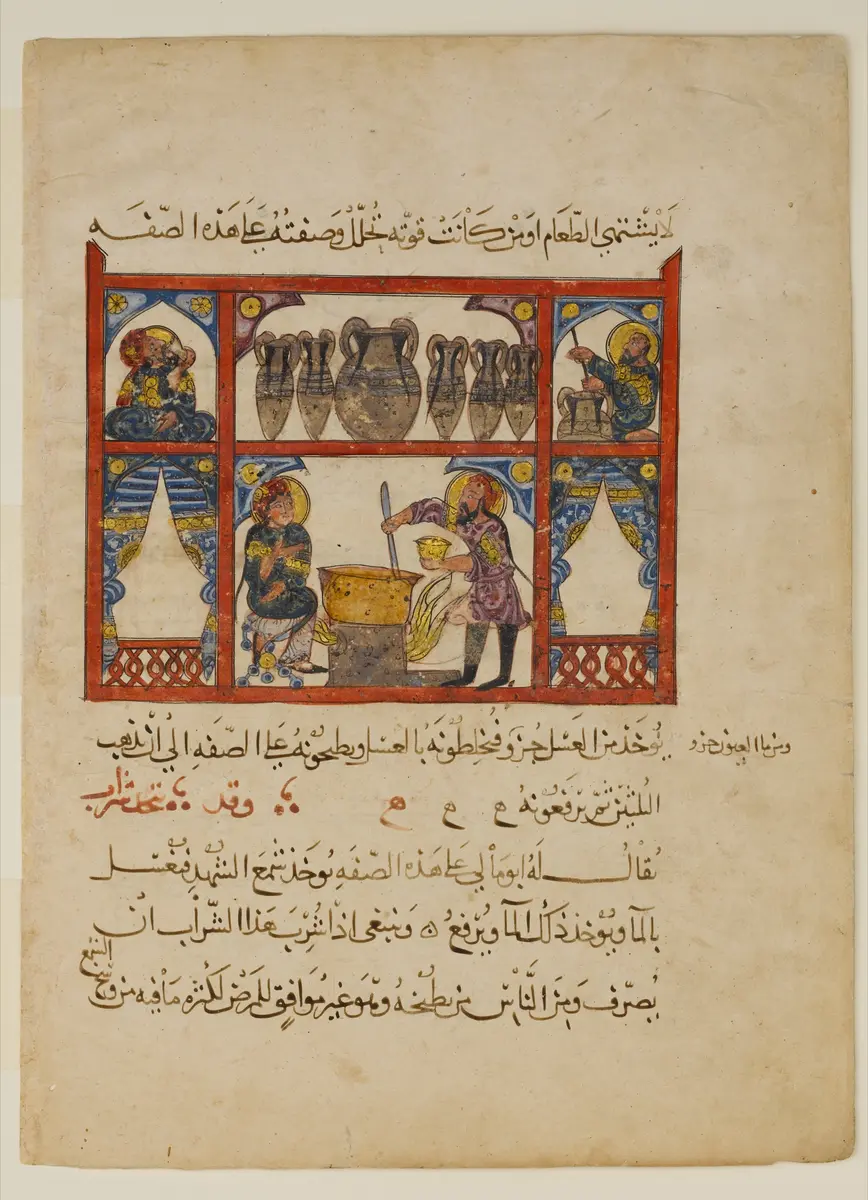
Roger died on 26 February 1154, six weeks after the book was done. Al-Idrisi wrote a larger geography for Roger's son and heir, William I, which is also lost. He left Sicily, perhaps after the riots against Muslims in Palermo in 1161, and later wrote a shorter geography that survives in manuscript, as well as a work on medicines and some verse. He is thought to have died in 1165 or 1166, possibly in Ceuta, but the one source for this is poor. His work was copied in the Muslim world and read by writers such as Ibn Khaldun, but it hardly reached Latin Europe: an abridged Arabic text was printed in Rome in 1592 and a Latin one in Paris in 1619, and the first full translation, into French, came in the nineteenth century.
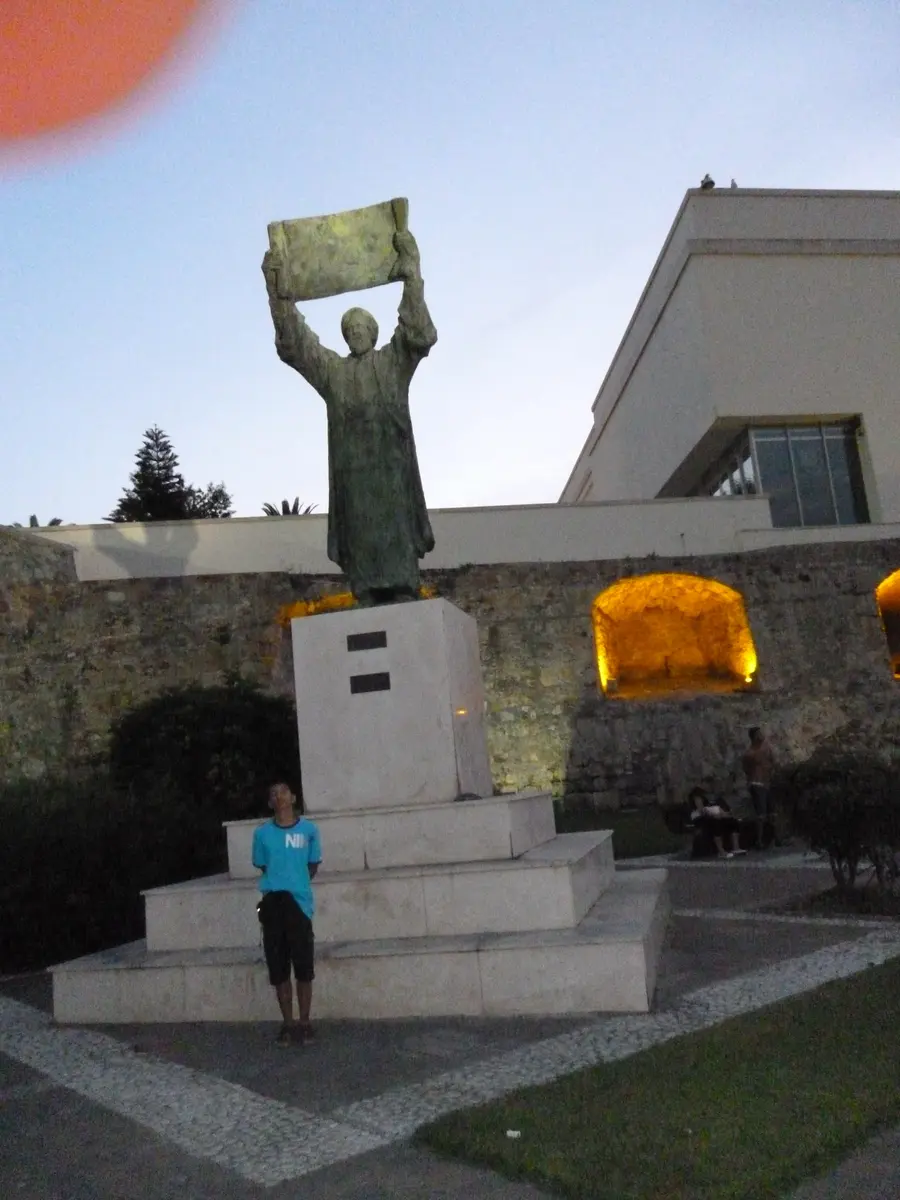
No picture of him made in his own time exists, and no one described his face, so the lead picture of this entry is a modern statue in Ceuta. What he left is the book: a world seen from the south, drawn without a line between Christian and Muslim lands, and one of the fullest accounts of the medieval world in any language. In 2017 the International Astronomical Union gave his name to a mountain range on Pluto, Al-Idrisi Montes, named for the author of the book usually called 'The Pleasure of Him Who Longs to Cross the Horizons'.
What happened
- 1100
Muhammad al-Idrisi is born, about this year, in Ceuta on the strait of Gibraltar, into the Hammudid family of princes who had ruled Malaga until 1057 and Ceuta and Tangier until 1084.
Ceuta: where al-Idrisi was born, around 1100, and where he is thought to have died - 1117
At about 17 he goes to see the Cave of the Seven Sleepers at Ephesus, the one dated journey of his youth, on the way through Asia Minor.
Ephesus: the Cave of the Seven Sleepers, which he went to see in 1117 - 1138
Around this year, Roger II of Sicily calls him to Palermo, offering a prince's pay and protection; he is to work on a world geography at the Norman court.
The Royal Palace of Palermo: Roger II's court, where he worked for some twenty years or more - 1139
Roger, who has sponsored since this year a new geography of the world from Greek, Latin and Arabic books and travellers' reports, sees al-Idrisi rise to lead the commission.
The Royal Palace of Palermo: Roger II's court, where he worked for some twenty years or more - 1154
The Book of Roger is finished, in the month of Shawwal 548: the world in seven climes and some seventy maps, with the silver disc and sphere made for the king, whose own entry tells the whole story.
The Royal Palace of Palermo: Roger II's court, where he worked for some twenty years or moreRoger II dies at Palermo, six weeks after the book is done; al-Idrisi goes on to write a larger geography for his son William I, now lost.
The Royal Palace of Palermo: Roger II's court, where he worked for some twenty years or more- 1161
Riots against Muslims break out in Palermo; al-Idrisi leaves Sicily about this time, perhaps because of them, and later writes a shorter geography.
The Royal Palace of Palermo: Roger II's court, where he worked for some twenty years or more - 1165
Al-Idrisi dies, about this year, probably in Ceuta, though the one source for the place and the year is poor; some give 1166.
Ceuta: where al-Idrisi was born, around 1100, and where he is thought to have died