Steve Coast
“The British developer who, on a bicycle in London in 2004, began OpenStreetMap, the free map of the world that anyone can edit.”
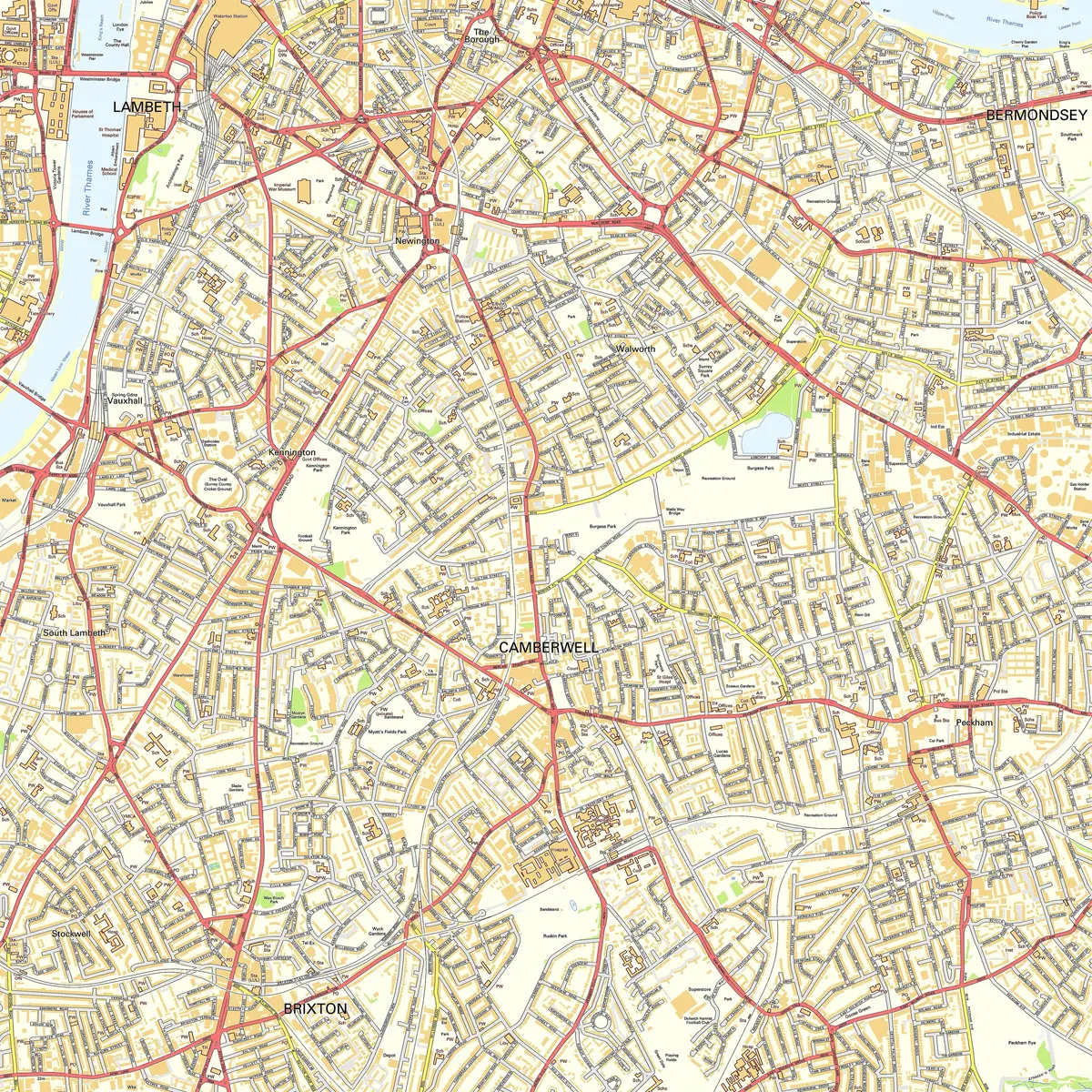
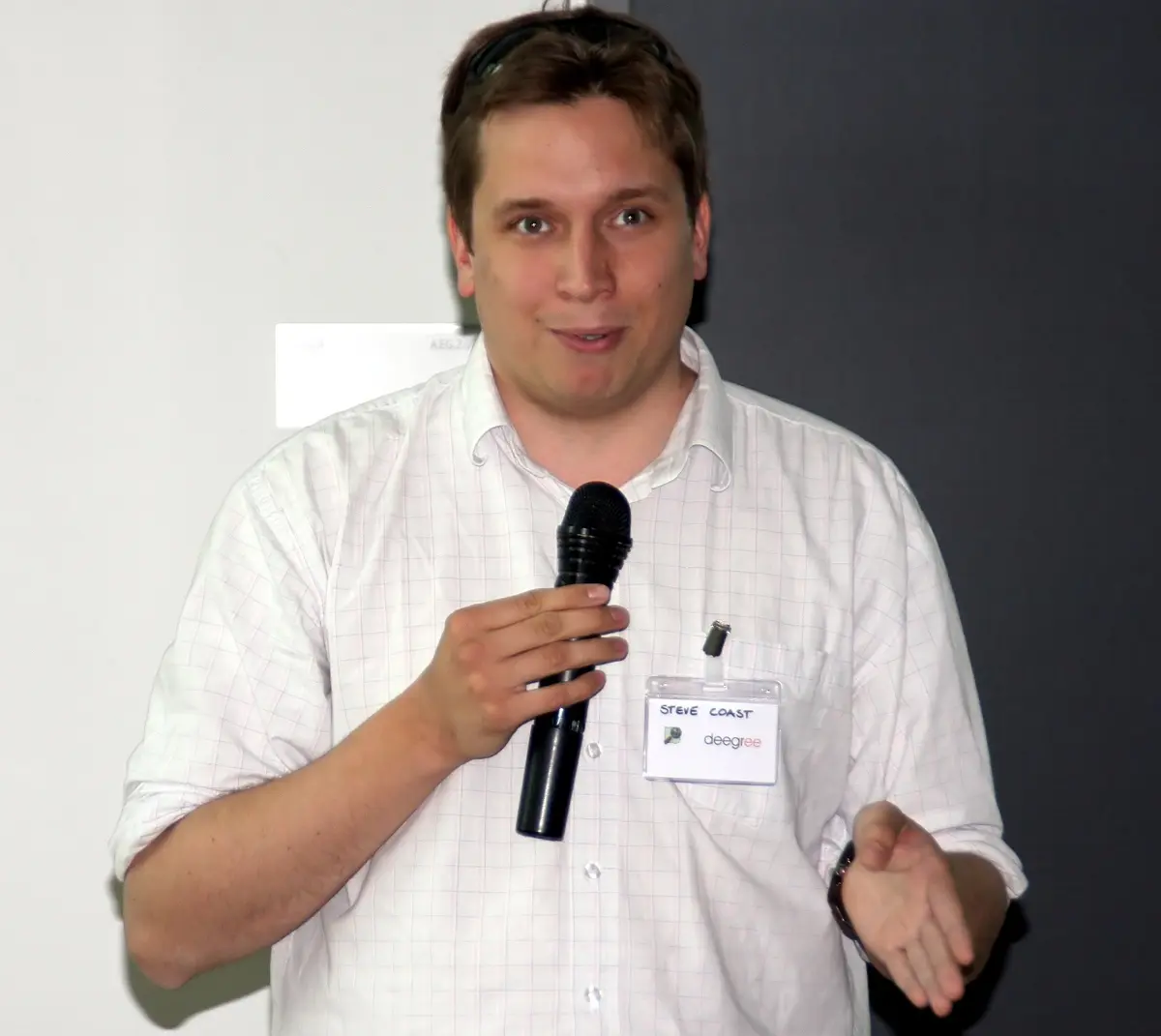
Steve Coast is the British software developer who started OpenStreetMap, the free map of the world that anyone can edit. He was born on 20 December 1980, grew up in Walderslade in Kent and in London, and studied at University College London. In August 2004, while still a student, he registered the web address openstreetmap.org. He is still best known for that one idea: a map made by the people who use it, not by a mapping company.
His own story starts with a bicycle. On 10 December 2004 he entered the project's first street after riding around Regent's Park in London with a GPS receiver. His target was the United Kingdom, where the Ordnance Survey held the data and kept tight control over its use. By his own account he wrote the first versions of the software and ran the first mapping party in 2005. In May 2006 a weekend workshop on the Isle of Wight drew about forty volunteers, and by Monday he estimated that more than nine in ten of the island's roads had been recorded. Volunteers were not allowed to use Ordnance Survey maps at all. The founding itself is told in the entry on OpenStreetMap.
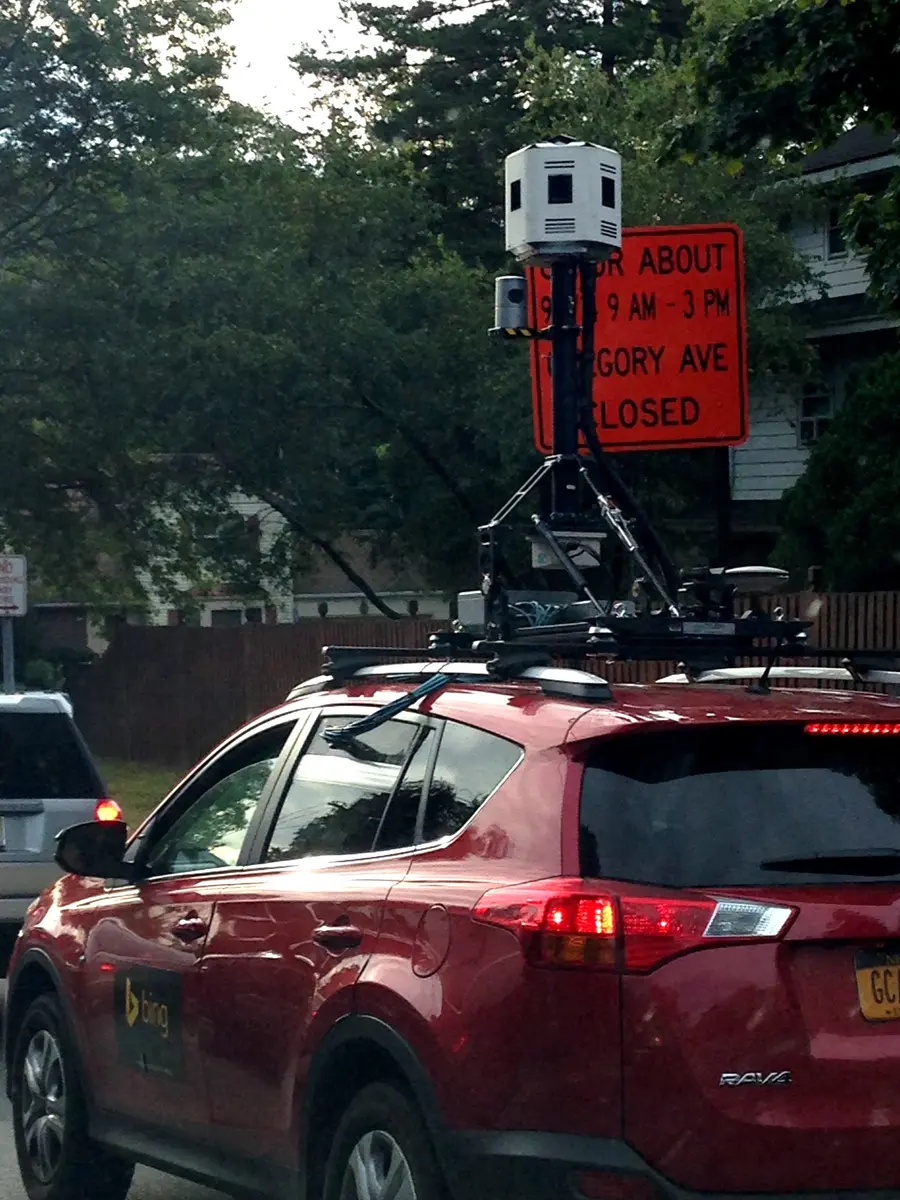
From 2008 Coast tried to earn a living from the open map. He helped found CloudMade, a company that sold services built on OpenStreetMap data, and moved to the United States. On 31 August 2010 he alerted the traffic app Waze that some of its Chile map looked copied from OpenStreetMap, and Waze removed the data within hours. He resigned from CloudMade on 5 October 2010. On 23 November 2010 he joined Microsoft's Bing as a Principal Architect, and Microsoft let OpenStreetMap volunteers use its aerial photographs for tracing.
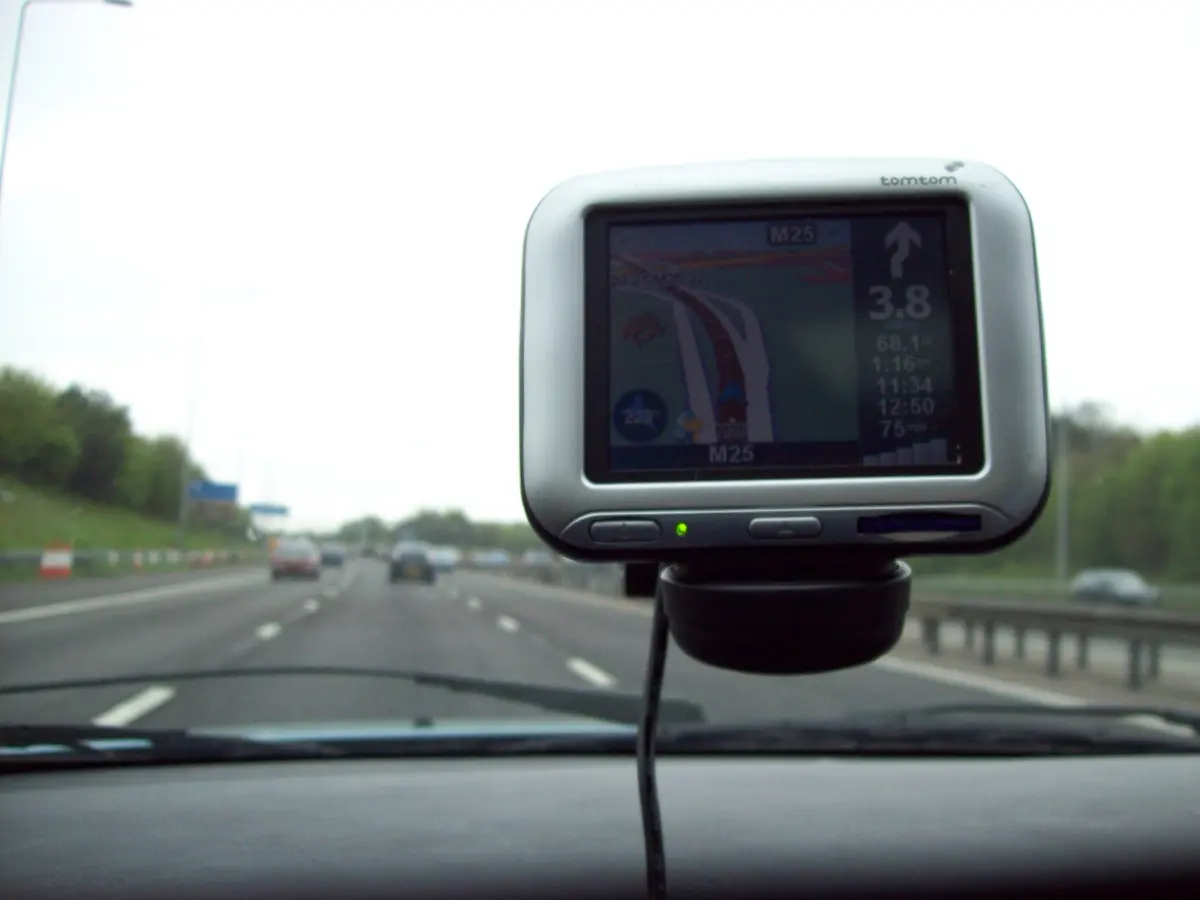
After Bing he worked for one mapping company after another: Telenav, what3words (as Chief Evangelist, from March 2016), DigitalGlobe (from October 2017), TomTom, and then Grab, the Singapore-based ride-hailing and delivery firm. At TomTom he wrote a post on 9 August 2021, OpenStreetMap's birthday, about a tool called MapMetrics that uses driver GPS traces to spot errors in the open map. He also gave talks at OpenStreetMap conferences, among them State of the Map US in Portland in 2012.
On 9 August 2024, twenty years after the first domain registration, he wrote that he had always believed a wiki map of the world would work, but had only stopped worrying when he found Cuba already well mapped. His lesson was about people first, then ideas, then technology. He says he has stepped back from the project's day-to-day running, and the notes below say where sources differ on details such as what he studied and when he started.
What happened
- 1980
Stephen Coast is born in the United Kingdom; he grows up in Walderslade in Kent and in London. The sources found do not name the place of birth.
Walderslade, Kent: where he grew up- 2004
Then a student at University College London, he registers the web address openstreetmap.org. The project counts this as its birthday.
University College London, Gower Street: where he studied and registered openstreetmap.org in August 2004He presents his mapping idea at the EuroFOO gathering.
He enters the project's first street, after cycling round Regent's Park with a GPS receiver.
Regent's Park, London: the first street was entered after a cycle round it on 10 December 2004- 2005
Map Limehouse, the first mapping party, takes place in east London; he says in his wiki page that he ran it.
- 2006
He leads the Isle of Wight workshop of 5 to 7 May: about 40 people map the island's roads, and by Monday he estimates more than 90 per cent are recorded. Ordnance Survey maps are not allowed, so he hands out out-of-copyright 1940s sheets.
Yarmouth, Isle of Wight: a town mapped on the first big OpenStreetMap workshop, 5 to 7 May 2006The OpenStreetMap Foundation is set up to look after the project; in his wiki page Coast writes that he was its chairman for about three years.
- 2007
The first State of the Map conference opens in Manchester; Coast writes that he started and named the series.
- 2008
He helps found CloudMade, a company that builds services on OpenStreetMap data (Bing's Jobs Blog says 2008; CloudMade's own page said 2007), and moves to the United States, first to San Francisco.
He is photographed at WhereCamp 2008, an informal geography conference held on Google's campus.
- 2009
He speaks at OSM im Rheinland, a German OpenStreetMap conference at the caesar research centre in Bonn.
He is at OSMit 2009, the Italian OpenStreetMap conference, in Trento.
- 2010
CloudMade, which he co-founded, raises $12.3 million in a second round of funding; it is described as based in Menlo Park.
He tells Waze that some of its map data for Chile looks copied from OpenStreetMap; within hours Waze removes the data and apologises. Google would buy Waze in 2013.
He resigns from CloudMade and stays on as a shareholder.
He joins Microsoft's Bing as Principal Architect on Bing Mobile, and Microsoft lets OpenStreetMap contributors use its aerial imagery.
- 2011
Bing shows an automated road-detection service made since his arrival; OpenStreetMap contributors begin to try it.
- 2012
He gives a talk at State of the Map US in Portland, Oregon.
- 2013
He starts work at Telenav on the company's use of OpenStreetMap for its Scout navigation app.
- 2016
The addressing company what3words announces him as its Chief Evangelist, based in Denver.
Denver, Colorado: his base when he joined what3words in 2016- 2017
He joins DigitalGlobe, a company that sells satellite imagery; it had just been bought by Maxar.
- 2021
On OpenStreetMap's birthday he publishes a post on TomTom's newsroom about MapMetrics, a tool that uses billions of GPS traces to find routing errors in the open map.
- 2022
He joins Grab, the Singapore-based ride-hailing and delivery firm, as Head of Engineering for Geo Innovation.
- 2024
On the project's twentieth birthday he publishes 'OpenStreetMap at 20', telling how Cuba turned out to be already mapped, and calling the story one of people, then ideas, then technology.