ICEYE launches the first small radar satellite
“On January 12, 2018 a 70 kg Finnish radar satellite, ICEYE-X1, went to orbit on an Indian rocket; ICEYE says it was the first radar satellite under 100 kg, and it began a fleet that has launched 84 satellites.”
On January 12, 2018, an Indian PSLV rocket lifted off from Sriharikota with 31 satellites. One of them was ICEYE-X1, a radar satellite of about 70 kg built by a young Finnish company. A radar satellite of that time usually weighed more than a tonne. ICEYE says X1 was the first synthetic aperture radar (SAR) satellite under 100 kg, and it was also the first commercial Finnish satellite in orbit.
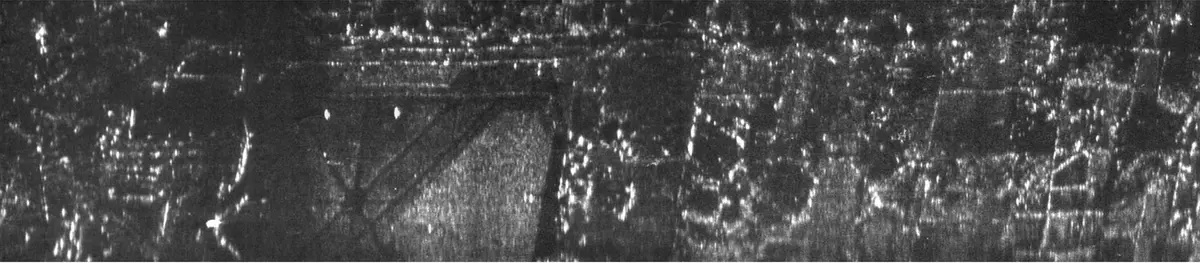
A radar satellite sends out its own radio waves and listens to the echo, so it sees by day and by night and through clouds. Three days after launch, on January 15, X1 imaged the Noatak National Preserve in Alaska. The picture was soft, about 10 metres per pixel, and it covered roughly 80 by 40 km. It took ten seconds to record and was more than a gigabyte of raw data. But it was real radar from a satellite small enough to launch as a shared passenger, and ICEYE called the mission a full success.
ICEYE came out of a microsatellite course at Aalto University, near Helsinki. Rafal Modrzewski and Pekka Laurila started the project there and built both the satellite and its radar themselves. The second satellite, ICEYE-X2, went up on December 3, 2018, on a SpaceX Falcon 9 rideshare from California. It had a sharper radar and a small engine, and its first image of Basque mountains in Spain came four days later at about 3 metres per pixel.
The point was never one satellite. Small, light radars can be built in numbers and launched many at a time on rideshare rockets, so one operator can watch the same place again and again. Since 2018 ICEYE has launched 84 satellites for itself and its customers, counted on October 20, 2026. Its newest, called Gen4, shows details down to 16 cm, and governments in Europe now buy whole ICEYE fleets of their own.
Open radar scenes from this fleet are used today to count ships in a harbour, look at an airport apron or follow a flood. Before 2018 that kind of regular, weather-proof view from space was mostly the work of a few large government satellites.
What happened
- 2018
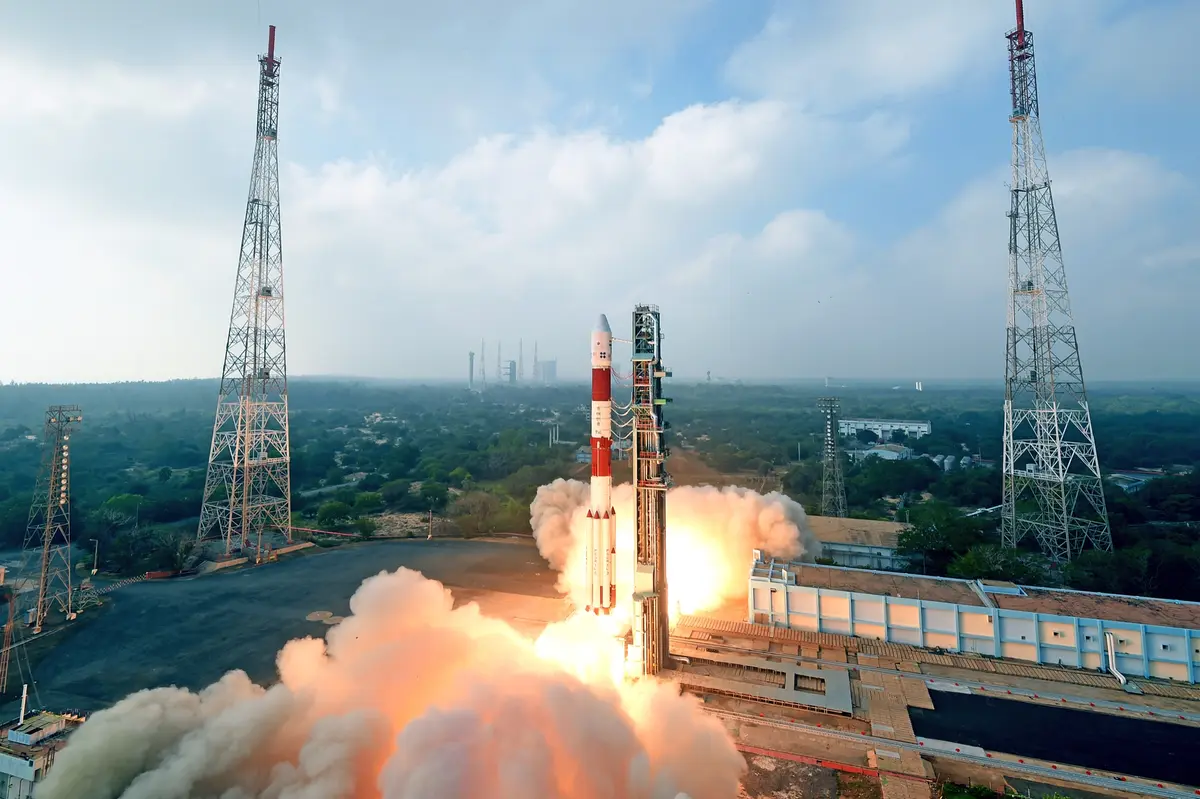
At Sriharikota the nose fairing of the PSLV-C40 rocket is closed around its 31 satellites. ICEYE-X1 is one of the 30 passengers beside the main satellite, Cartosat-2F.
Satish Dhawan Space Centre, Sriharikota: where PSLV-C40 lifted off- 3:59 a.m.
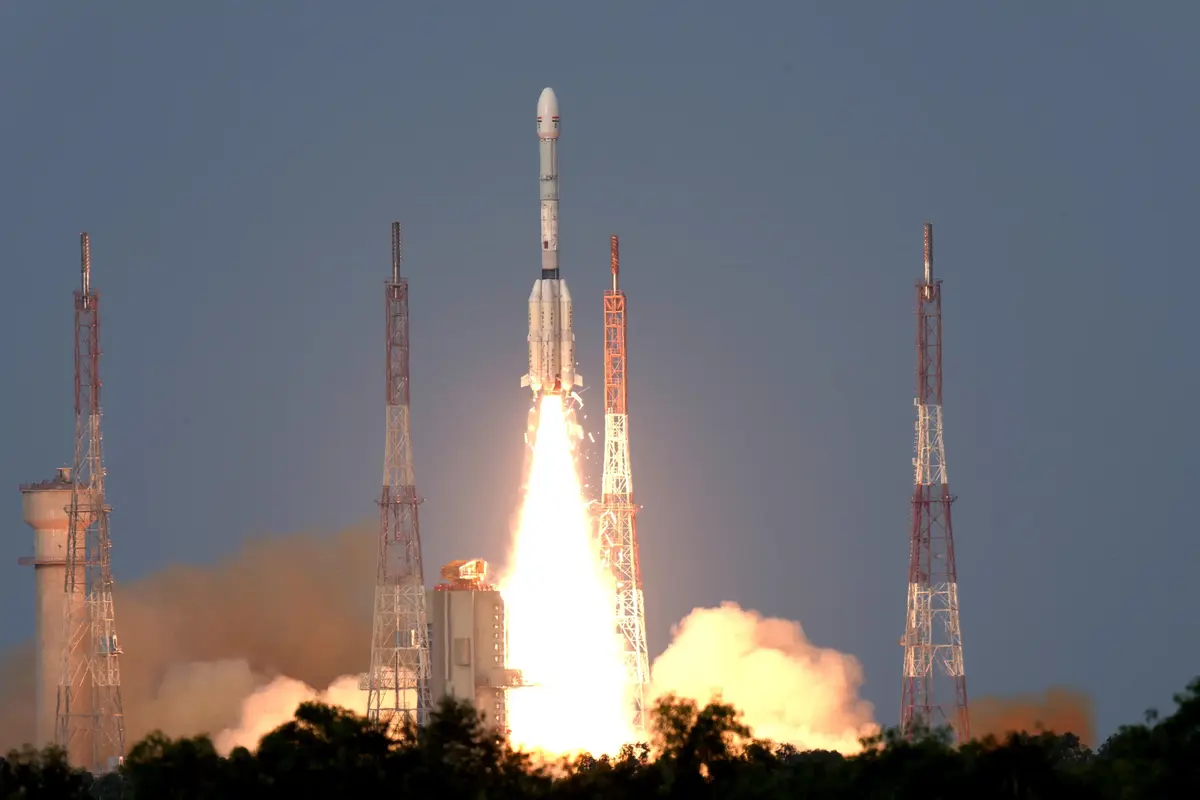
At 09:29 Indian time (03:59 UTC) PSLV-C40 lifts off from the First Launch Pad and puts the satellites into a sun-synchronous orbit at about 503 km; ICEYE-X1, 70 kg, is among them.
Satish Dhawan Space Centre, Sriharikota: where PSLV-C40 lifted off - 5:20 a.m.
ICEYE says it has been in contact with X1 since 05:20 UTC, using both S-band and X-band; in its first 100 orbits the satellite exchanges more than 1 GB of data.
- 9:47 p.m.
X1 records its first radar image, of Noatak National Preserve in Alaska: ten seconds of imaging, an area of about 80 by 40 km, at 10 metres per pixel.
Noatak National Preserve, Alaska: the first radar image ICEYE publishes the image and calls X1 the world's first SAR satellite under 100 kg. Its co-founders say the mission is already a success and that X2 will see more than twice as sharply.
Otaniemi, Espoo: Aalto University, where ICEYE began- 6:34 p.m.
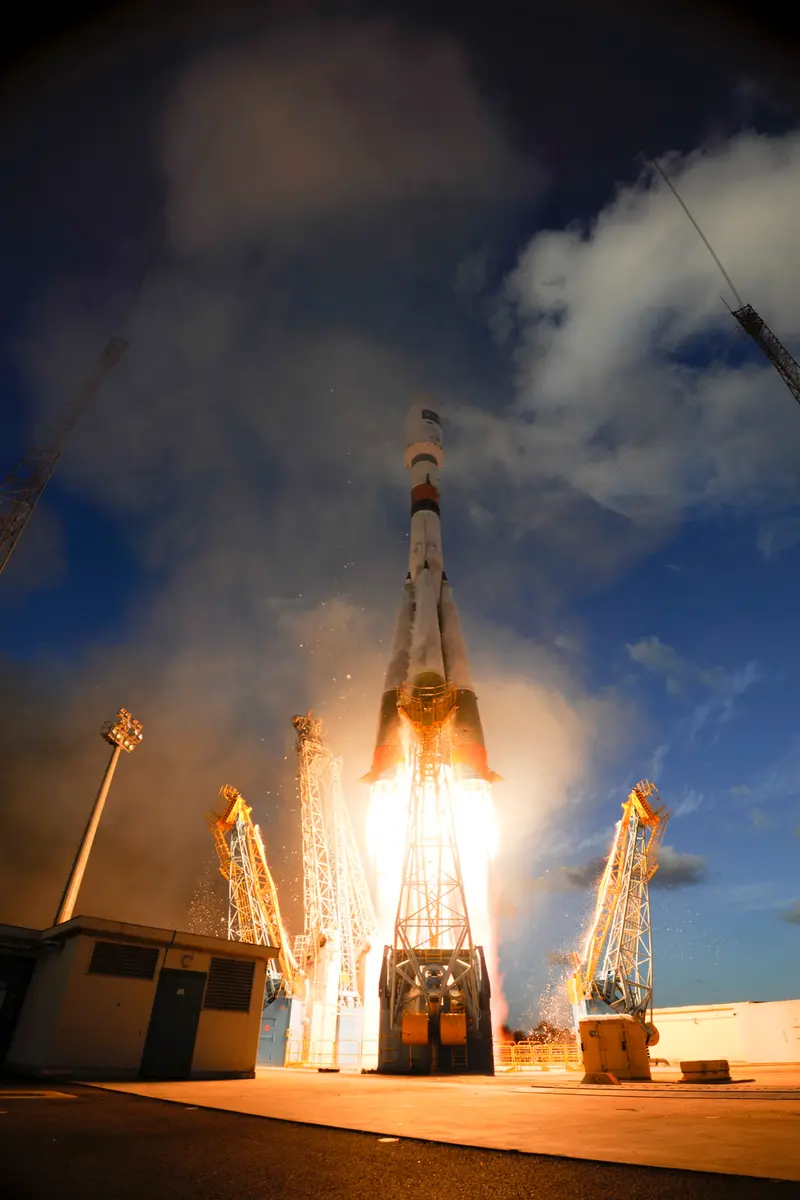
ICEYE-X2 is launched on a SpaceX Falcon 9 from Vandenberg as part of Spaceflight's SSO-A rideshare. Contact is made at 19:58 Central European time, a few hours after launch.
Vandenberg: Space Launch Complex 4E, where X2 and later satellites left on Falcon 9 Four days after launch X2 images the mountains between the Aralar and Aizkorri-Aratz parks in Spain at night, at about 3 metres per pixel, a first look at the sharper second design.
Aralar and Aizkorri mountains, Basque Country: the first image from X2- 2021
Three ICEYE satellites (X8, X9 and X10) go up together on SpaceX's Transporter-1, a rideshare that carries a record 143 spacecraft.
Cape Canaveral Space Launch Complex 40: Transporter-1 and Bandwagon-5- 2022
ICEYE begins to support Ukraine with radar satellite imagery, its first major defence partnership.
- 2025
The first fourth-generation (Gen4) ICEYE satellites are launched on SpaceX's Transporter-13.
ICEYE announces that Gen4 is ready for commercial use: images up to 16 cm sharp and a 400 km high-resolution field of regard.
Five more satellites leave on Transporter-15 from Vandenberg. ICEYE says it has now launched 62 satellites since 2018, 22 of them in 2025.
Vandenberg: Space Launch Complex 4E, where X2 and later satellites left on Falcon 9- 2026
Four satellites go up on Transporter-17 from Vandenberg, one of them the Finnish Defence Forces' third. ICEYE counts 76 launched and says it will double its output from 50 satellites a year to 100.
Vandenberg: Space Launch Complex 4E, where X2 and later satellites left on Falcon 9ICEYE-X56 images central Helsinki in spotlight mode at about 1.2 m per pixel; the scene is published as open data.
Helsinki: ICEYE's home country seen by ICEYE-X56ICEYE-X61 images western Singapore and its container ports in stripmap mode, another open scene.
Four more ICEYE satellites launch on Transporter-18.
Four satellites, two for Portugal's Atlantic Constellation, launch on Bandwagon-5 from Cape Canaveral. ICEYE counts 84 satellites launched since X1.
Cape Canaveral Space Launch Complex 40: Transporter-1 and Bandwagon-5